Baby-Led Weaning: The Complete Beginner Guide

Starting solids is one of the most exciting milestones in your baby’s first year, but it can also feel overwhelming for parents.
One feeding approach that has become increasingly popular is baby-led weaning.
Instead of starting with spoon-fed purees, baby-led weaning allows babies to explore soft foods on their own while learning how to self-feed.
Many parents choose this method because it encourages independence, supports motor skill development, and helps babies explore a variety of textures and flavors.
In this baby-led weaning guide for beginners, we’ll cover everything parents need to know, including when to start baby-led weaning, safe foods, proper food sizes, and common mistakes to avoid.
Baby-Led Weaning for Beginners: Quick Overview
Baby-led weaning is a feeding approach where babies skip traditional spoon-fed purees and begin eating soft finger foods from the start.
Instead of being fed with a spoon, babies feed themselves while sitting with the family during meals.
Many parents choose baby-led weaning because it:
- encourages independence
- helps babies explore textures
- supports motor skill development
- encourages family mealtimes
- helps babies develop healthy eating habits
What Is Baby-Led Weaning?
Baby-led weaning is a method of introducing solid foods where babies feed themselves soft pieces of food instead of being spoon-fed purees.
The idea behind BLW is that babies learn to regulate their own appetite and explore foods at their own pace.
Rather than preparing separate baby meals, many families offer modified versions of the same foods the family is eating, making mealtime simpler.
When to Start Baby-Led Weaning
Most babies are ready to begin baby-led weaning around 6 months of age.
Before starting solids, look for these signs that your baby may be ready:
- Sitting up with minimal support
- Good head and neck control
- Showing interest in food
- Reaching for food during meals
- Loss of the tongue-thrust reflex
If your baby shows these signs, they may be ready to begin exploring solid foods safely.
Popular Baby-Led Weaning First Foods
When starting baby-led weaning, the goal is to offer soft foods that babies can easily grasp and mash with their gums.
Some of the most common baby-led weaning foods include:
- avocado wedges
- banana halves
- steamed sweet potato
- scrambled eggs
- soft pear slices
- steamed broccoli
- oatmeal
- plain yogurt
These foods are soft, nutritious, and easy for babies learning to self-feed.
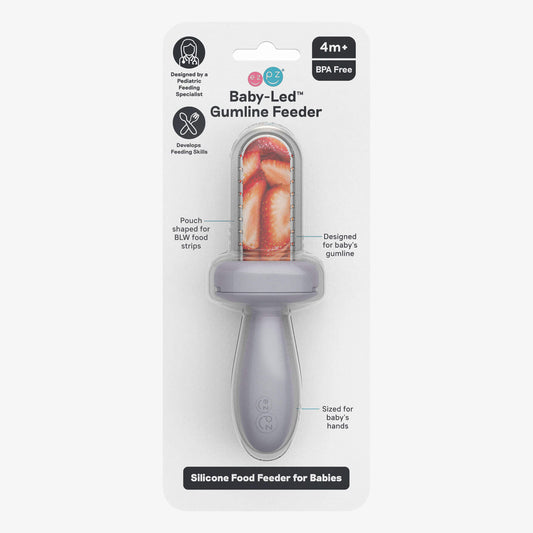
Many parents also find that having the right feeding tools helps babies explore these first foods safely. Tools like suction bowls and baby plates can help keep food from sliding around while babies learn to self-feed.
Baby-Led Weaning Food Sizes
Food size and texture are important when introducing solids.
In the beginning, foods should be cut into large, soft pieces that babies can easily hold.
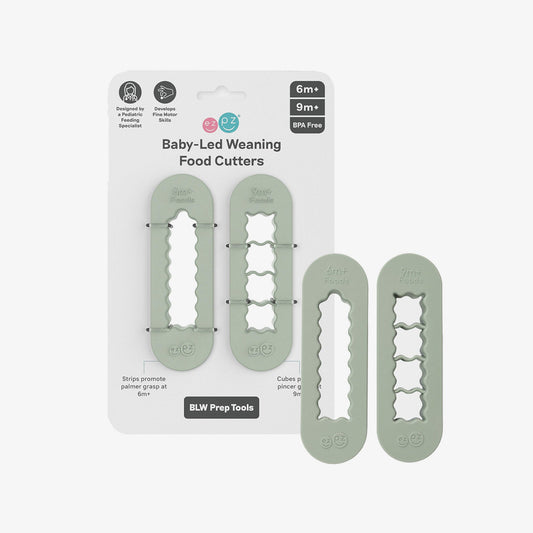
A good rule is to offer foods about the size and shape of an adult finger.
Examples include:
- avocado wedges
- banana halves
- long strips of sweet potato
- large pieces of soft fruit
As babies develop their pincer grasp around 9 months, foods can be cut into smaller bite-sized pieces.
Helpful Tools for Baby-Led Weaning
Baby-led weaning can get messy, but having the right feeding tools can make the experience easier for both parents and babies.
Many families find that items like suction bowls, baby plates, and training utensils help babies practice self-feeding while keeping food on the table.
Training utensils can also help babies develop the coordination needed for self-feeding.
If you’re preparing for this stage, explore some helpful feeding tools designed to make starting solids easier and less messy.
Explore some helpful feeding tools:
Common Baby-Led Weaning Mistakes
Like any feeding method, baby-led weaning takes practice.
Here are a few common baby-led weaning mistakes parents should avoid.
Starting too early
Babies should show signs of readiness before beginning solids.
Offering foods that are too hard
Hard foods like raw carrots or whole apples can be choking hazards.
Expecting babies to eat a full meal
At the beginning, babies are mostly exploring textures and tastes rather than consuming full meals.
Forgetting about iron-rich foods
As babies grow, iron-rich foods such as eggs, beans, lentils, and meats become important.
Baby-Led Weaning Safety Tips
Many parents worry about choking when starting baby-led weaning. When done correctly, baby-led weaning is considered safe for most babies.
Here are a few important safety tips:
- Always supervise your baby during meals
- Offer soft foods that can easily be mashed
- Avoid choking hazards such as whole nuts
- Cut foods into safe sizes for your baby's stage
Babies naturally have strong gag reflexes that help prevent choking while learning to manage food.
FAQ About Baby-Led Weaning
Do babies still drink breast milk or formula during baby-led weaning?
Yes. Breast milk or formula remains the primary source of nutrition during the first year.
Can I combine purees and baby-led weaning?
Absolutely. Many families use a mixed approach by offering both finger foods and spoon-fed foods.
Will my baby make a mess?
Yes! Mess is a normal part of learning to eat.
Final Thoughts
Baby-led weaning can be a fun and rewarding way to introduce your baby to solid foods.
By offering soft foods, encouraging self-feeding, and creating a relaxed mealtime environment, babies gradually learn to explore new tastes and textures.
With patience, practice, and the right feeding tools, starting solids can become an enjoyable experience for the entire family.
If you're preparing to introduce solids, you may also enjoy learning more about the benefits of organic baby food for babies and other helpful feeding tips.
Looking for tools to make baby-led weaning easier?
Explore our favorite baby feeding essentials designed to help little ones practice self-feeding while keeping mealtime less messy.
Browse Baby Feeding Essentials
Save This Guide for Later
Save this baby-led weaning guide on Pinterest so you have it handy when your baby starts solids.