The Benefits of Organic Baby Food: A Guide for New Parents

When your baby is ready to start solids, one of the first questions many parents ask is:
Should I choose organic baby food?
With growing concerns about pesticides, additives, and nutrition, it’s easy to see why organic baby food has become so popular. Many families want to give their baby the healthiest start possible, but navigating all the choices can feel overwhelming.
The good news is that choosing organic foods for your baby doesn’t have to be complicated. Understanding the benefits can help you make the decision that feels right for your family.
Let’s take a closer look at why many parents choose organic baby food and how it may support your baby’s healthy development.
Quick Benefits of Organic Baby Food
- May reduce exposure to pesticides
- Often made with simple, clean ingredients
- Supports sustainable farming practices
- Encourages healthy eating habits early
- Gives many parents peace of mind
Why Many Parents Choose Organic Baby Food
Organic baby food is made from ingredients grown without synthetic pesticides, artificial fertilizers, or genetically modified organisms (GMOs). Instead, organic farming focuses on natural growing methods that support soil health and environmental sustainability.
For many parents, the decision to choose organic comes down to one simple goal:
Providing clean, simple ingredients for their baby’s first foods.
7 Benefits of Organic Baby Food for Babies
1. Reduced Exposure to Pesticides
One of the biggest reasons parents choose organic baby food is to reduce their baby’s exposure to pesticide residues.
Babies are still developing, and their small bodies process chemicals differently than adults. Organic produce is grown without synthetic pesticides, which can help limit exposure to these substances during an important stage of development.
2. Simple, Clean Ingredients
Many organic baby foods are made with fewer ingredients and avoid artificial preservatives, colors, or flavors.
For babies just starting solids, simple foods like pure fruits and vegetables allow them to experience natural flavors without unnecessary additives.
3. Potentially Higher Antioxidant Levels
Some research suggests organic fruits and vegetables may contain higher levels of certain antioxidants.
Antioxidants help support the body’s natural defenses and may play a role in long-term health.
4. Supports Healthy Eating Habits
Introducing babies to a variety of fruits and vegetables early can help shape their taste preferences.
Because organic foods often highlight whole, simple ingredients, they can be a great way to introduce babies to natural flavors as they begin exploring new foods.
5. Encourages Sustainable Farming
Choosing organic products also supports farming practices that focus on soil health, biodiversity, and reduced environmental impact.
Many parents appreciate knowing their food choices support a healthier planet for the next generation.
6. Less Processing
Organic baby foods often emphasize whole ingredients with minimal processing.
This can help babies experience foods in their most natural form, whether that’s mashed avocado, steamed carrots, or blended sweet potatoes.
7. Peace of Mind for Parents
At the end of the day, many parents choose organic baby food simply because it gives them peace of mind.
Knowing that your baby’s food is made from thoughtfully grown ingredients can make feeding time feel a little less stressful.
And as any parent knows, a little peace of mind goes a long way.
Organic Baby Food vs Conventional Baby Food
While both organic and conventional baby foods can provide important nutrients, organic options may help reduce exposure to certain chemicals used in conventional farming.
However, the most important thing is ensuring your baby receives a variety of healthy foods, whether organic or conventional.
For many families, choosing organic when possible is simply one part of building healthy feeding habits.
Tips for Introducing Organic Foods to Your Baby
If you’re thinking about introducing organic foods, here are a few simple tips:
Start with simple single-ingredient foods
Examples include:
- Avocado
- Sweet potato
- Banana
- Apples
- Pears
- Carrots
- Peas
Single-ingredient foods make it easier to watch for potential food sensitivities.
Focus on variety
Introducing different fruits, vegetables, and textures helps babies develop a broader palate.
Make feeding easier with the right tools
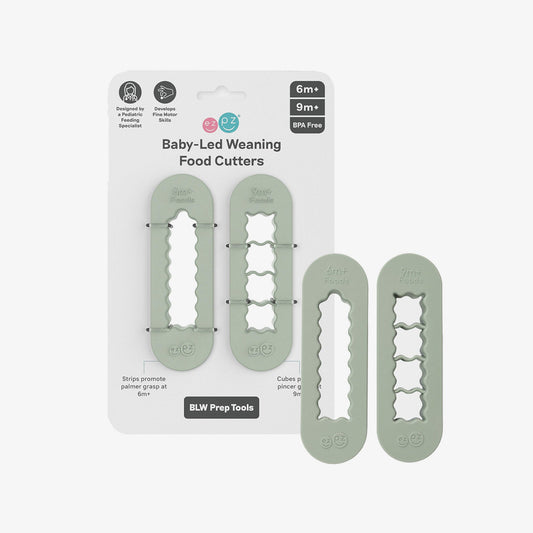
Baby feeding can get messy quickly. Many parents find that using the right feeding tools helps make the transition to solids smoother.
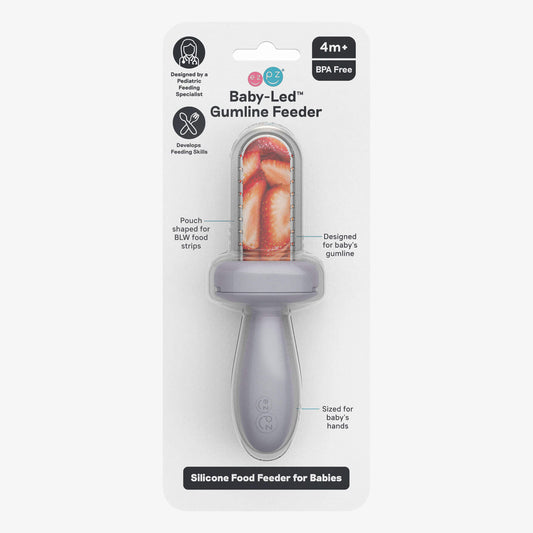
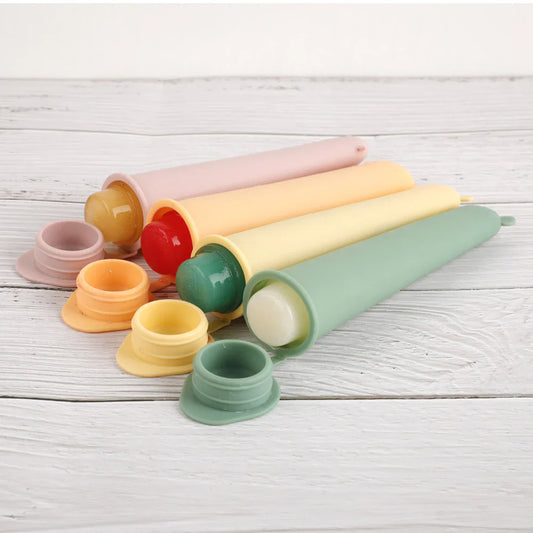
Products like silicone feeders, suction bowls, and baby pops can help babies explore foods safely while reducing spills and frustration during mealtime.
FAQ About Organic Baby Food
Is organic baby food healthier?
Organic baby food may reduce exposure to pesticide residues and often contains simple ingredients. However, both organic and conventional foods can support healthy nutrition for babies.
Is organic baby food worth the cost?
Many families choose organic for peace of mind and environmental reasons. Others prioritize organic foods for certain produce items. The right choice depends on your family’s preferences and budget.
Can I make organic baby food at home?
Yes! Many parents prepare homemade baby food using organic fruits and vegetables. Steaming and blending produce is a simple way to create fresh baby meals.
Final Thoughts
Starting solids is an exciting milestone for both parents and babies. Choosing organic baby food is one option many families explore when looking for simple, clean ingredients for their baby’s early meals.
The most important thing is creating a positive feeding experience that encourages babies to explore new tastes and textures.
With a little patience, a variety of healthy foods, and the right feeding tools, mealtime can become one of the most enjoyable parts of your baby’s day.
If you're preparing to introduce solids, you may also enjoy learning more about baby-led weaning, healthy first foods for babies, and helpful feeding tools for starting solids.
Looking for tools to help with starting solids?
Explore our favorite baby feeding essentials designed to make mealtime easier and less messy for little ones.
Browse Baby Feeding Essentials
Save this guide for later on Pinterest so you have it when your baby starts solids: